
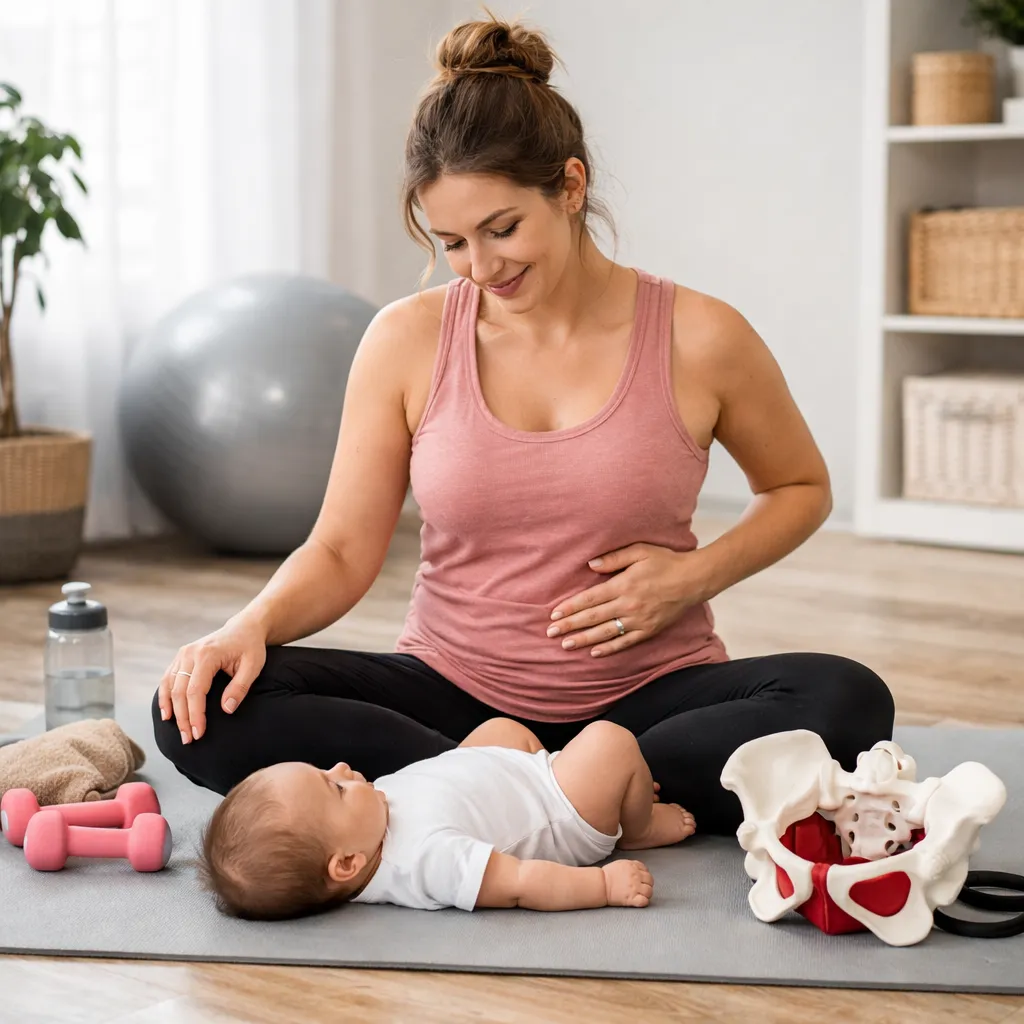
Working Out Postpartum
Working Out as a Postpartum Mom: Why Slow Is the Smart Way Back
Returning to exercise after having a baby can feel overwhelming. Your body has done something incredible—but it has also been through major physical, hormonal, and emotional changes. The most important thing to remember as a postpartum mom is this:
There is no rush. There is no timeline. And there is no one “right” way to come back.
Going slow isn’t a setback—it’s the foundation for long-term strength, confidence, and health.
Your Body Needs Time (And That’s Normal)
Pregnancy and childbirth place significant demands on your body. Muscles stretch, joints loosen, and your core and pelvic floor work overtime for months. Even if you “feel okay,” your body may still be healing beneath the surface.
Jumping back into intense workouts too quickly can lead to:
-
Pelvic floor dysfunction
-
Core weakness or doming/coning
-
Back or hip pain
-
Leaking during exercise
-
Longer-term injuries
Taking a gradual approach allows your body to rebuild strength the right way, reducing the risk of setbacks down the road.
Taking It at Your Pace
Every postpartum journey is different. Some moms feel ready to move sooner, while others need more time—and both are completely valid.
Instead of comparing yourself to others, focus on:
-
How your body feels during and after movement
-
Your energy levels and recovery
-
Whether movements feel controlled and pain-free
Progress doesn’t mean pushing harder. Often, it means:
-
Choosing lighter loads
-
Moving slower and more intentionally
-
Prioritizing quality over quantity
Listening to your body is a skill—and one worth developing.
Why Pelvic Floor Work Matters
Your pelvic floor plays a huge role in posture, stability, breathing, and overall strength. After pregnancy and delivery, this area often needs specific attention before returning to traditional workouts.
Pelvic floor work helps:
-
Improve core control and stability
-
Reduce leaking or pressure symptoms
-
Support safe strength training and running later on
-
Build confidence in movement
This doesn’t mean endless kegels—it means learning how to coordinate breathing, core engagement, and movement together.
When the pelvic floor and deep core are working properly, everything else becomes safer and stronger.
Start with the Basics
Early postpartum movement should focus on:
-
Breathing and core connection
-
Gentle mobility and range of motion
-
Light strength work with control
-
Re-learning how to brace and relax
These fundamentals create a strong base that allows you to return to higher-intensity training when your body is truly ready.
Strong Looks Different After Baby—and That’s Okay
Strength isn’t about how fast you get back or how much weight you lift. It’s about rebuilding trust in your body, moving without fear, and feeling confident in everyday life again.
Going slow now sets you up to:
-
Train pain-free
-
Move with confidence
-
Stay consistent long term
-
Feel strong in a way that lasts
You’re Not Behind—You’re Rebuilding
Postpartum fitness is not about “getting your body back.”
It’s about moving forward with a stronger, smarter version of yourself.
Give yourself permission to slow down, focus on the basics, and take this journey one step at a time. Your body deserves it.
If you’d like support, guidance, or a structured plan designed specifically for postpartum moms, we’re here to help—at a pace that feels right for you.